The Skin Cancer Foundation on Window Film: UV Protection at the Glass
Why the Glass Around You Isn't Enough
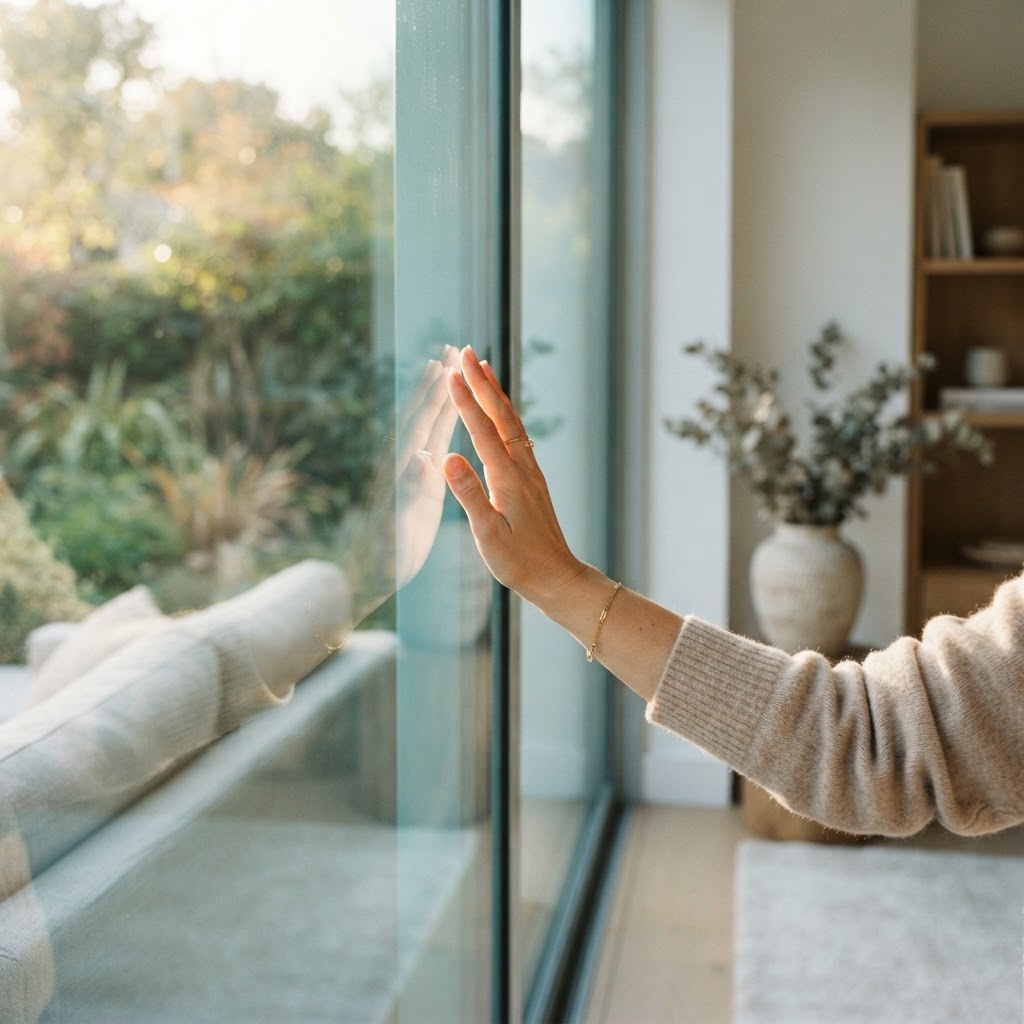
Most people assume that being indoors — or inside a car — protects them from the sun. It's a reasonable assumption, and it's mostly wrong. Ordinary window glass blocks UVB, the rays that cause sunburn, but it lets through a large share of UVA, the longer-wave ultraviolet light that penetrates deeper into the skin. UVA is the primary driver of photoaging — the wrinkles, sagging, and sunspots that appear over years of exposure — and it plays a real role in skin cancer.
That matters everywhere, but it matters most under the Florida sun. In Southwest Florida, the UV index is high for most of the year, and the glass in your home, your office, and your vehicle is quietly letting damaging rays through every single day.
What the Skin Cancer Foundation Says
The Skin Cancer Foundation — the leading patient-education nonprofit devoted to skin cancer prevention — has long recognized window film as a practical, effective layer of UV defense. Their guidance is straightforward: professionally installed window film can block up to 99.9% of ultraviolet radiation at the glass, turning an ordinary window into a near-complete UV barrier without changing your view or your light.
The Foundation's position is grounded in a few key facts:
- UVA passes through standard glass. While UVB is largely filtered out, UVA transmits readily through the windows in homes, offices, and the side and rear glass of most vehicles.
- Cumulative exposure adds up. Skin cancer and photoaging are dose-dependent. Years of low-level, daily UV exposure through windows contributes meaningfully to lifetime risk.
- Film is a proven intervention. Quality window film, professionally installed, is recommended by the Foundation as a way to dramatically cut UV exposure at the glass.
Many premium films carry the Foundation's Seal of Recommendation, which is awarded only after a product meets rigorous, peer-reviewed standards for UV protection.
What This Means for Southwest Florida
In Fort Myers, Cape Coral, Naples, Estero, Bonita Springs, and Sanibel, we live with intense sun for nearly the entire year. For homeowners, the UV that streams through great-room and lanai glass is the same radiation that fades your flooring, artwork, and upholstery — and it's reaching your skin every time you sit in a sunlit room. For business owners, the same rays hit employees working near windows and merchandise displayed in storefronts. For drivers, the left side of the body takes the brunt of UVA through the driver's window on every commute.
Professionally installed window film addresses all of this at the glass — blocking up to 99.9% of UVA and UVB without darkening your home or interfering with your view. It's one of the few upgrades that protects both your interiors and the people inside them.
A Note on What Film Is (and Isn't)
Window film is a complement to — not a replacement for — daily sun protection. The Skin Cancer Foundation continues to recommend sunscreen, protective clothing, and shade as the foundation of a sun-safe routine. Film's role is to close the gap that ordinary glass leaves open: the constant, low-level UVA exposure you'd otherwise absorb without thinking about it, day after day, year after year.
If you'd like to learn which films carry the highest UV rejection and how they'd perform on your specific glass, we're happy to walk you through it — with no obligation. The right film is the one that fits your light, your view, and the way you actually live in your space.